Foundation Settlement and How Repairs Restore Stability
Homeowners seeking foundation settlement repair aim to restore stability, and local contractors can assess and implement effective solutions to fix shifting or sinking foundations.
Understanding foundation settlement and how repairs restore stability is essential for property owners facing uneven floors, cracked walls, or shifting structures. These issues can indicate underlying movement in the foundation, which may affect the safety and value of a property. Fortunately, experienced local contractors specialize in diagnosing and addressing these concerns, helping to restore the integrity of a building’s foundation and prevent further damage. Whether dealing with minor shifts or more significant settlement, exploring repair options can provide peace of mind and help maintain the property's long-term stability.
Property owners in the area often consider foundation repair services to protect their investments and avoid costly future problems. Repair solutions are designed to stabilize the structure, correct existing issues, and support the foundation against ongoing movement. Local service providers are equipped to evaluate the specific conditions of each property and recommend appropriate methods to restore stability. Continuing to learn about foundation settlement and how repairs can make a difference encourages informed decisions and connects homeowners with the skilled professionals who can help safeguard their properties.
- Foundation settlement repair services are often needed when homeowners notice uneven floors or cracked walls, and local contractors evaluate the extent of the settlement to determine appropriate solutions. Pier and beam or slab lifting techniques are commonly used by service providers to restore stability and prevent further shifting. When soil movement causes foundation issues, local pros assess the site and implement stabilization methods to reinforce the structure. Repair services can help realign and stabilize foundations affected by shifting or sinking, restoring safety and structural integrity. Experts tailor their approach based on the specific type of settlement to effectively restore long-term stability.
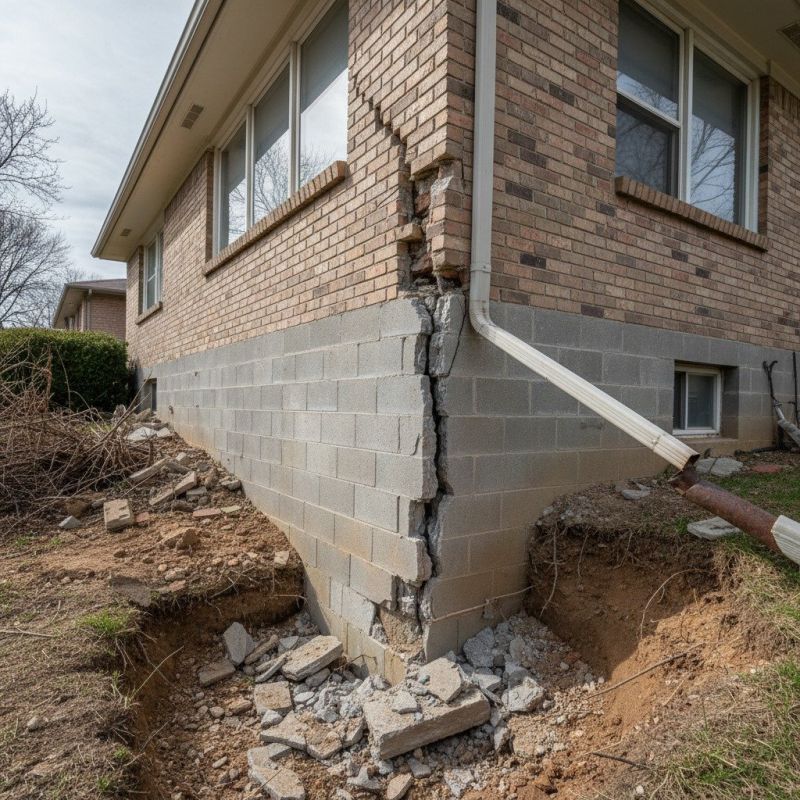
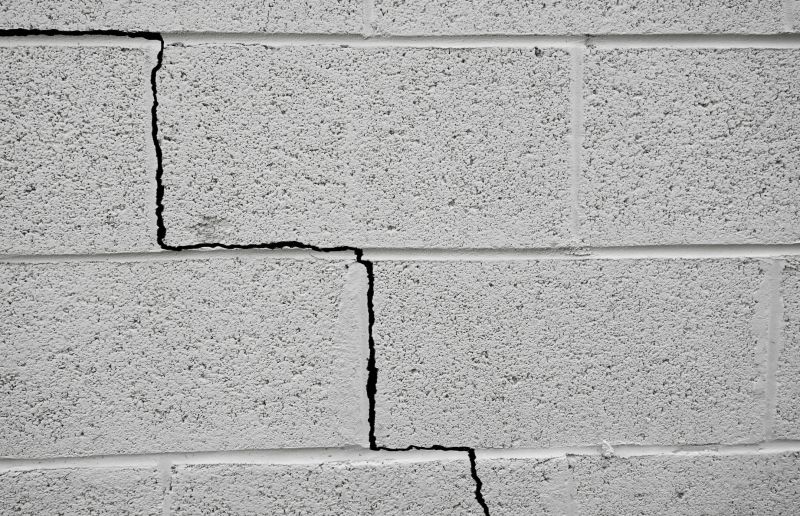
Foundation settlement and how repairs restore stability are common concerns for homeowners noticing signs of shifting or sinking in their properties. When people search for this topic, they often want to understand why their foundation is moving, what causes the problem, and how it can be fixed. Foundation settlement occurs when the soil beneath a structure shifts or compacts unevenly, leading to cracks, uneven floors, or misaligned walls. Repairing these issues aims to stabilize the foundation, prevent further damage, and restore the structural integrity of the property. Homeowners may be especially interested in this topic if they observe visible cracks, doors or windows that no longer close properly, or uneven flooring, as these are typical signs that foundation settlement is affecting their home.
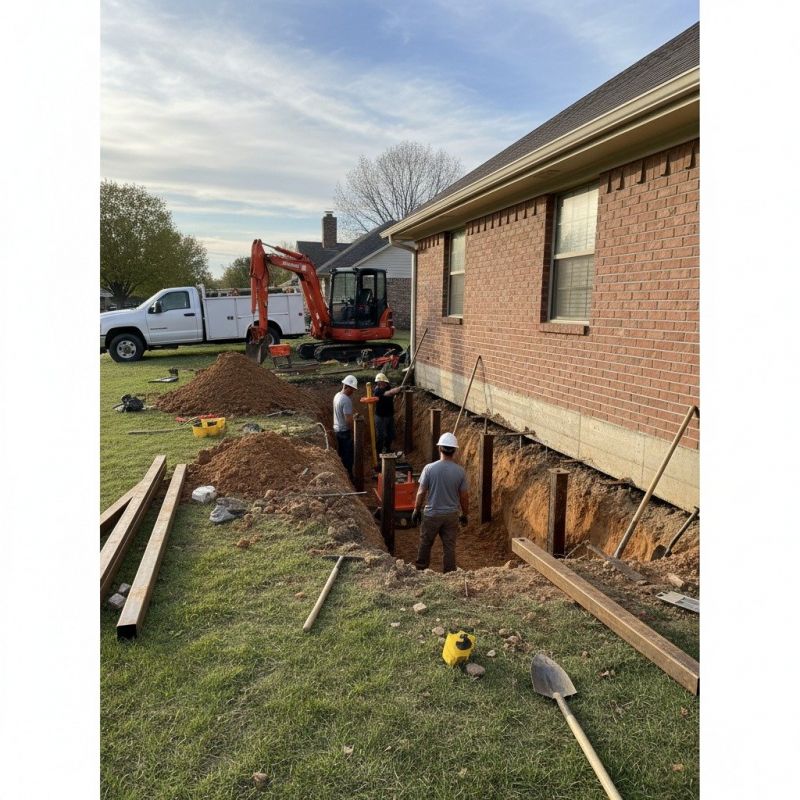
This topic relates to a variety of property problems and repair plans that focus on addressing foundation movement. Common issues include cracked walls, bowed or leaning basement walls, and uneven or sagging floors. These problems often stem from soil conditions, poor drainage, or changes in moisture levels around the property. Repair plans usually involve techniques such as underpinning, piering, or stabilization methods designed to lift and support the foundation. The goal of these repairs is to halt ongoing movement, correct existing damage, and ensure the property remains safe and stable over time. Homeowners planning foundation repairs should consider consulting with local service providers who specialize in foundation stabilization and repair techniques suitable for their specific situation.
Properties affected by foundation settlement can vary widely but typically include residential homes, especially those built on expansive clay soils or in areas prone to soil movement. Single-family houses, townhomes, and even some multi-unit buildings can experience settlement issues. The age of the property may also influence the likelihood of foundation problems, with older structures more susceptible to shifting over time. In addition, properties with poor drainage systems, trees with extensive root systems nearby, or recent construction activities that disturbed the soil are more prone to foundation movement. Recognizing the signs of settlement early and seeking the expertise of local contractors can help homeowners address issues before they escalate into more costly repairs or structural failures.
Understanding how foundation settlement is repaired and how it restores stability helps homeowners see the connection between the problem and the solution. Repair methods are designed to stabilize the foundation and prevent future movement, often involving the installation of piers or underpinning systems that lift and support the structure. These repairs not only address visible damage like cracks and uneven floors but also improve the long-term durability of the home. Local service providers who specialize in foundation stabilization can evaluate the specific needs of each property and recommend appropriate repair strategies. By restoring the foundation’s stability, these repairs help preserve the value of the property and ensure its safety for years to come.
Soil Stabilization Projects - these projects involve improving ground conditions to prevent settlement issues, utilizing skills similar to foundation repair planning and soil assessment.
Retaining Wall Construction - building retaining walls requires understanding soil pressure and stability, aligning with techniques used to restore foundation support and prevent settlement.
Basement Waterproofing - waterproofing involves managing moisture and soil conditions around a foundation, complementing foundation stabilization efforts.
Pier and Beam Foundation Repair - this type of repair addresses foundation movement and settlement, requiring similar planning and structural assessment skills.
Structural Reinforcement Services - reinforcing existing structures to improve stability shares techniques with foundation repair, such as load distribution and underpinning.
Drainage System Installation - proper drainage helps prevent soil movement that causes settlement, making it a related service that supports foundation stability.
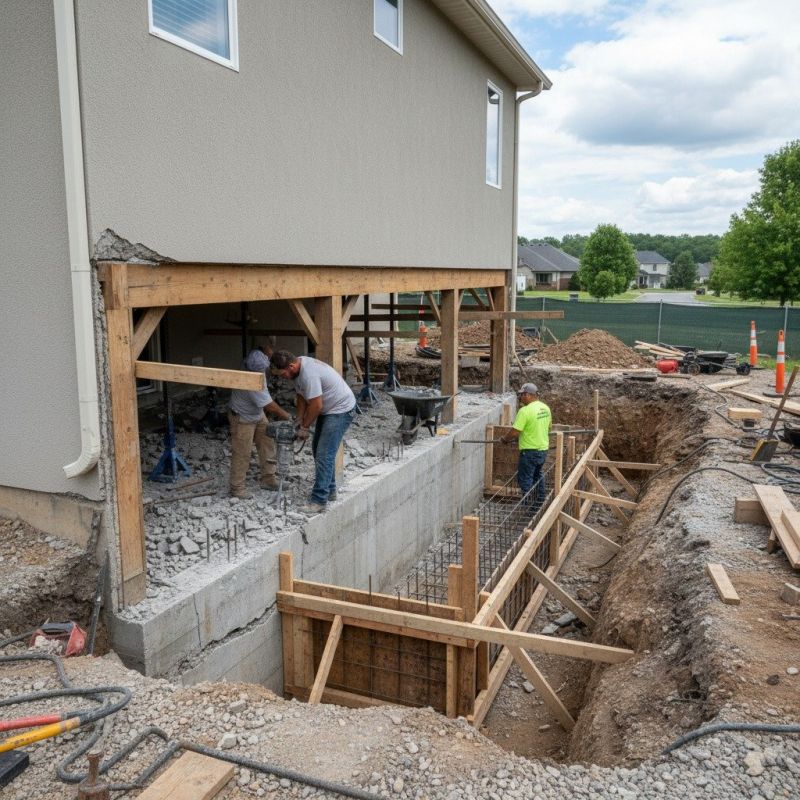
When evaluating service providers for foundation settlement repairs, it is important to consider their experience with similar projects. Homeowners should seek out contractors who have a proven track record of successfully handling foundation issues comparable in scope and complexity. An experienced contractor will be familiar with the common causes of settlement and the most effective repair techniques, which can contribute to a more reliable and long-lasting solution. Reviewing the contractor’s portfolio or asking about past projects can provide insight into their familiarity with foundation repair challenges similar to those faced by the property.
Clear written expectations are essential when choosing a foundation repair specialist. Homeowners should look for service providers who can provide detailed descriptions of the repair process, including the methods to be used, the materials involved, and the anticipated outcomes. Having this information in writing helps ensure that both parties share a mutual understanding of the scope of work, reducing the potential for misunderstandings or surprises during the project. A transparent outline of what to expect also assists homeowners in making informed decisions about which contractor best aligns with their needs.
Reputable references and effective communication are key factors in selecting a foundation settlement repair contractor. Homeowners are encouraged to ask for references from previous clients who had similar work completed, as these can offer valuable insights into the contractor’s professionalism, reliability, and quality of work. Good communication throughout the process-such as prompt responses to questions and clear updates-helps build confidence and ensures that concerns are addressed timely. Choosing a service provider who demonstrates transparency and responsiveness can contribute to a smoother repair experience and a more stable foundation outcome.
Property owners often search for foundation settlement and how repairs restore stability when they are planning practical projects around their homes and businesses. Local pros provide Foundation Settlement Repair services for everyday jobs and straightforward project options.
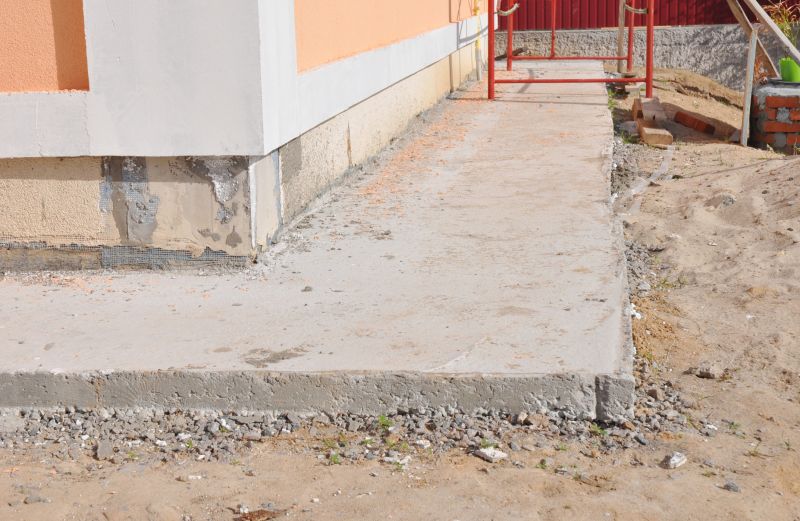
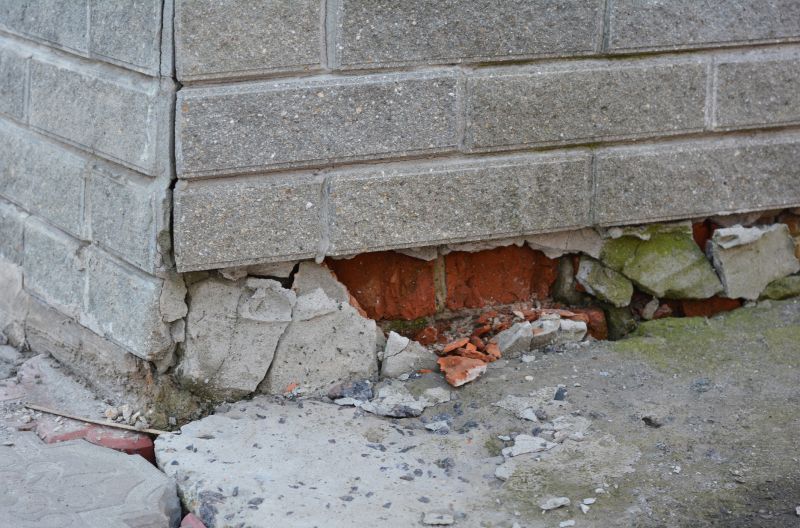
Foundation settlement can lead to noticeable issues around a property, such as uneven floors, cracks in walls, or sticking doors and windows. Property owners in the area often seek solutions to these problems to maintain the safety and stability of their homes. Local contractors experienced in foundation repair can assess the situation and recommend appropriate methods to restore the foundation’s integrity, helping homeowners prevent further damage and preserve their property’s value.
When foundation settlement occurs, repairs are essential for re-establishing stability and preventing future issues. Service providers in the community offer a range of repair techniques designed to address specific settlement causes, such as soil movement or moisture changes. Connecting with local experts ensures that repairs are tailored to the property’s needs, providing a reliable way to restore the foundation’s support and keep the home safe and secure over time.
What causes foundation settlement? Foundation settlement typically occurs when the soil beneath a building shifts or compresses over time, often due to moisture changes, poor soil conditions, or natural settling processes.
How do foundation repairs restore stability? Foundation repairs address underlying issues by stabilizing or lifting the foundation, preventing further movement and helping to restore the structural integrity of the building.
What repair methods are used for foundation settlement? Common repair methods include underpinning, piering, and slab jacking, which work to stabilize the soil and lift the foundation back to its proper position.
Can foundation settlement be prevented? While some factors are uncontrollable, proper drainage, soil management, and timely repairs can help minimize the risk of future settlement issues.
How do local contractors assess foundation settlement? They typically perform visual inspections, soil testing, and structural evaluations to determine the extent of settlement and recommend appropriate repair solutions.
Assessing foundation issues - property owners can identify signs of settlement early to determine when professional evaluation from local contractors is needed.
Choosing repair methods - understanding different foundation repair techniques helps homeowners work with local service providers to select the most suitable solution.
Preparing for repairs - homeowners can clear areas around the foundation and make necessary arrangements to facilitate efficient repair work by local pros.
Restoring stability - after repairs, property owners can implement recommended measures to maintain foundation integrity and prevent future settlement issues.
If you are thinking about foundation settlement and how repairs restore stability for a property, this guide is meant to help you understand this topic, the typical project types, and how different options might fit your plans.
When you are ready, you can use the quote form on this page to share a few details about your project. From there, local pros can review the basics and follow up with options that match what you have in mind.